
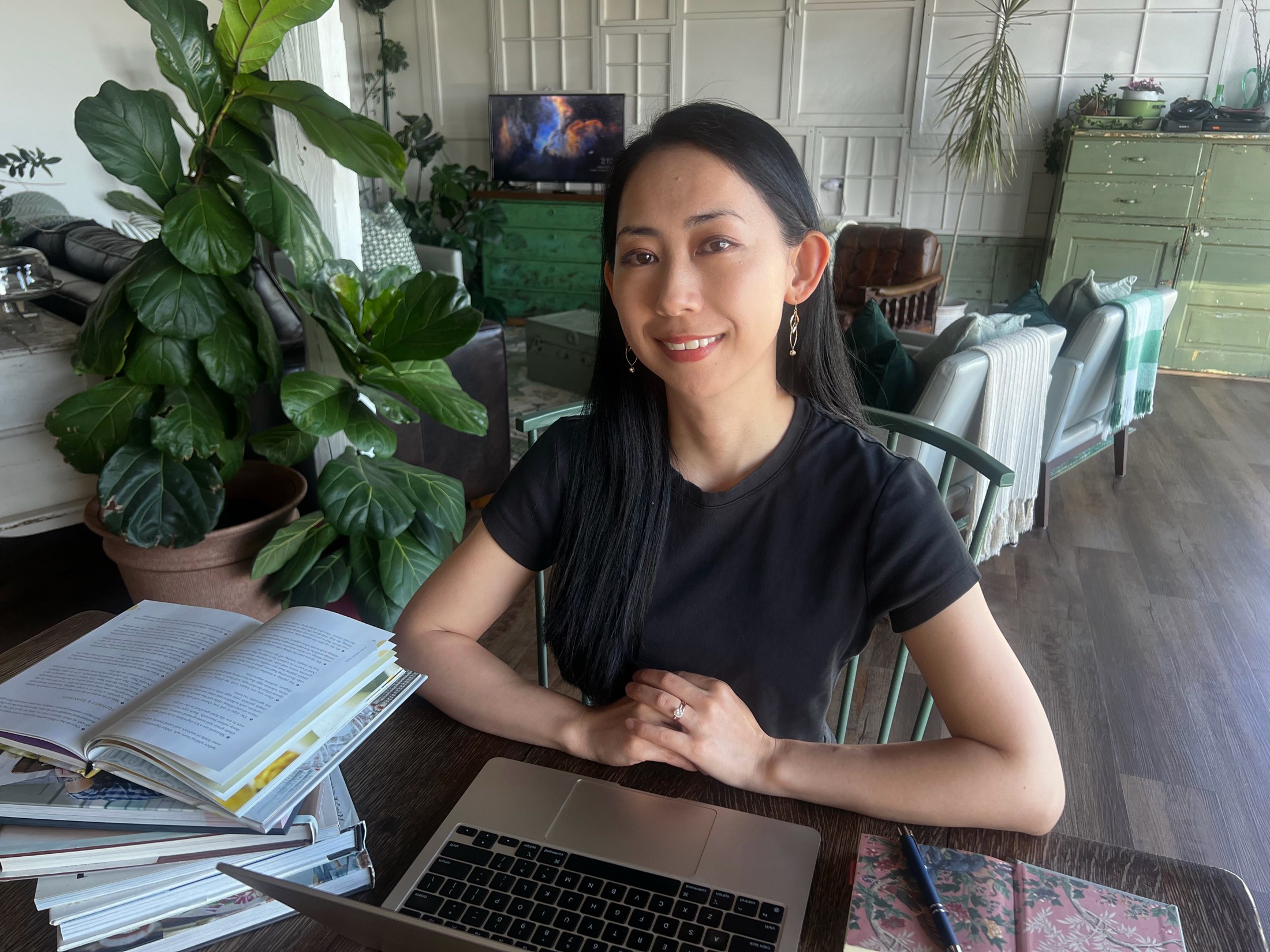
Before design, I spent more than a decade at one of the largest autism-education schools in the United States, in Massachusetts, teaching cooking to students with severe autism. My students couldn't rely on language. My 300+ colleagues came from dozens of countries. Visuals and data were the only language everyone shared.
So I built systems that made things visible: assessment criteria turned into charts, lessons turned into visual materials, program information turned into a website. I also became the school's go-to for flyers and art direction. That's where I learned that a design either communicates instantly to someone with no context — or it doesn't.
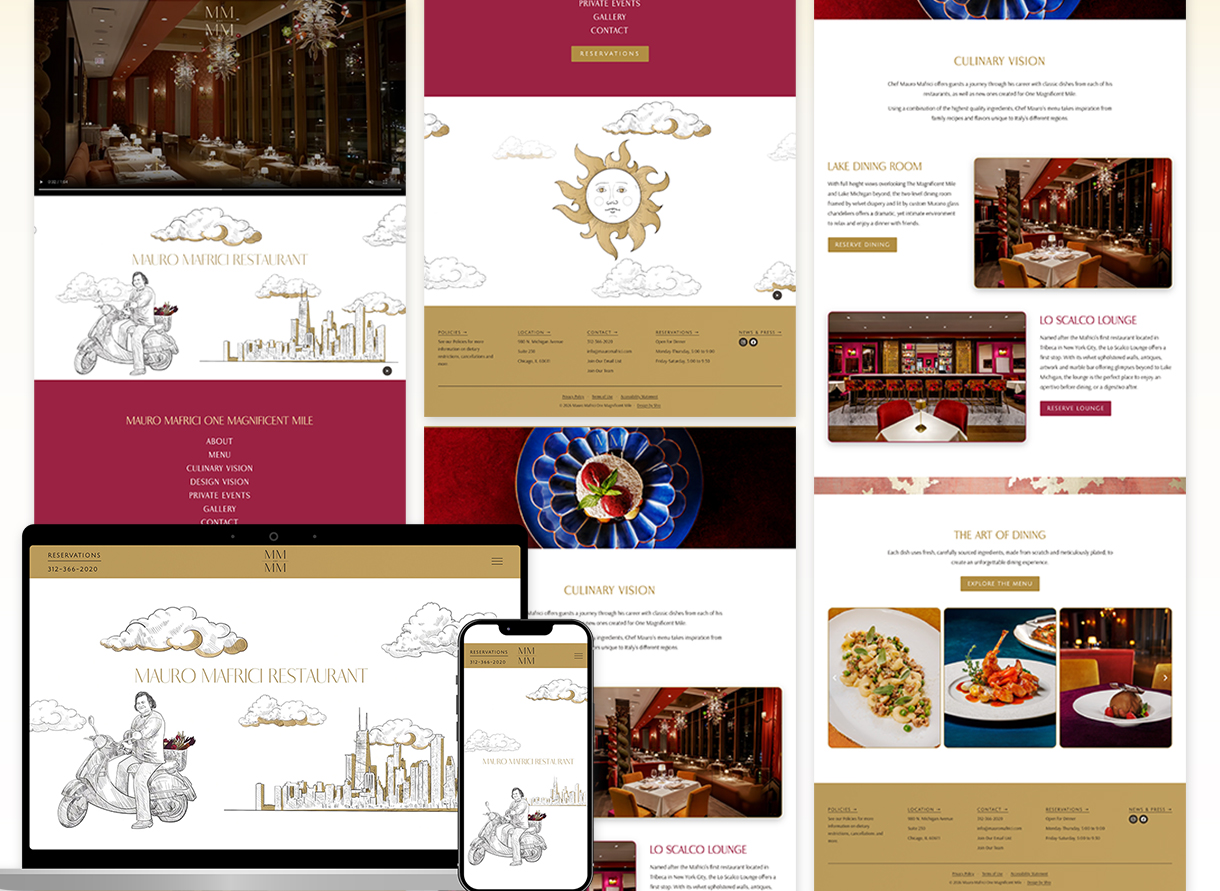
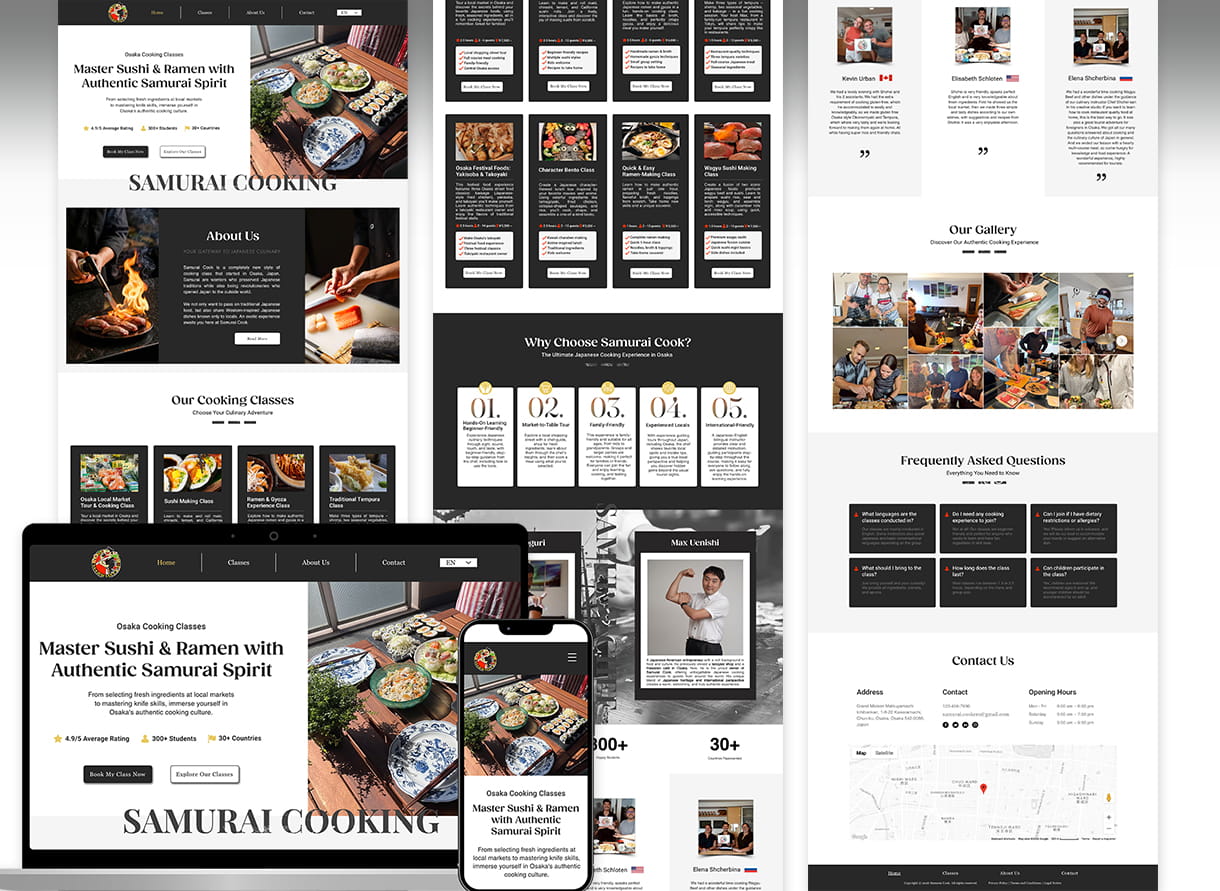
When I moved into web design, I started with zero portfolio. So instead of "trust my taste," I built my practice on statistics, academic research and behavioral psychology — reasons a client can check. Within a year I was working full-time as a freelancer, reached the top seller tier on one of Japan's largest freelance marketplaces, and learned WordPress, Wix, Studio and hand-coding on real client projects.
Now I'm based in Massachusetts/Rhode Island, working mainly with U.S. businesses. I work closely with a U.S. SEO specialist, which is how search strategy became part of how I design, not something added later. I still work with clients in Japan, and I'm one of the few designers who can move comfortably between both markets.